




Identifying a child’s talent, giving a child a chance
All children have special talents that need to be recognized and nurtured. Children’s giftedness does not mean bragging about his abilities, but it means correct education according to the child’s abilities. By teaching the necessary skills according to the personality and behavioral characteristics, the child’s inner talents become dynamic. With the correct behavioral and educational methods with the child, your child’s success will accelerate. Finding children’s talent is actually giving children different opportunities. Having freedom and being encouraged, the child can make good decisions related to his interests. For parents, recognizing the child’s talents brings a special sense of honor and pride. But finding a child’s talent also brings responsibility. When the talent search was done and the abilities and characteristics of the child were .known, it was time to take steps to develop the talent and nurture them
Types of children’s talent identification methods:
Helping the child to know his interests
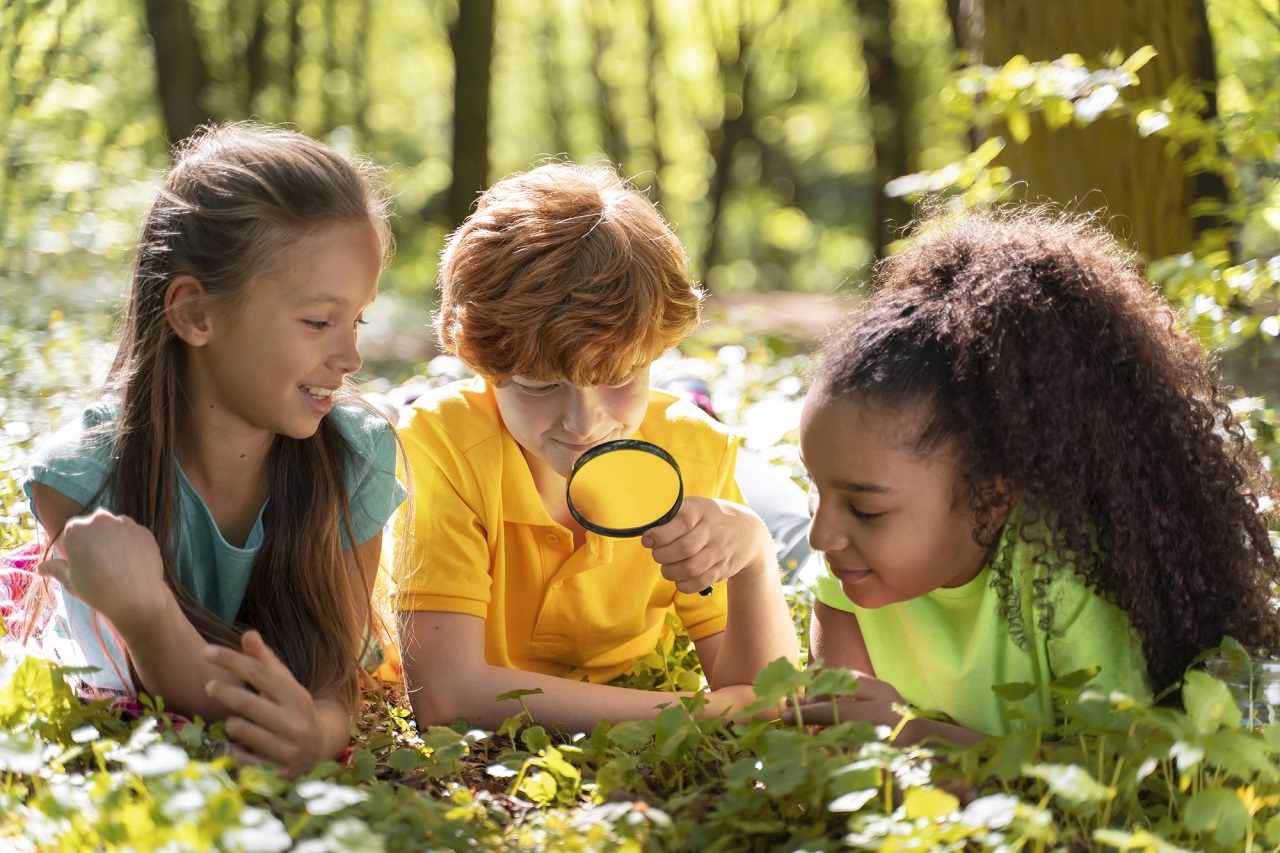
For talent, it is very important to recognize and motivate interests and support the child along the way. One of the methods of finding children’s talent is to put the child in different situations and play and learn in different fields such as art, music, nature, sports, mathematics, reading books and science
2. Take the child seriously and talk to him
If the child asks you various questions, listen carefully and answer patiently. Making time for the child teaches him respect. It also teaches him to look for answers to his questions and not be afraid to ask
3. Visiting various museums and playgrounds for children
Visiting museums or creative games makes the child’s mind ready to learn new things

4. Story and storytelling
Telling stories to the child or letting him tell stories using his imagination helps the child to develop his creativity. Of course, these stories should be informative and able to create the right roles in the child’s mind
5. Avoid having a busy schedule for the child
Having a very busy weekly schedule does not bring any benefits and only makes you feel tired. Make sure that the child has times to rest or pursue his interests, read favorite books or daydream. Intensive educational programs discourage the child from growing and flourishing
6. Checking the child’s behavior while playing
Does your child prefer solitary activities or group activities? Does he like to sit in a quiet corner or can’t he stay in a quiet place? Which equipment do you prefer? Painting equipment, iPod or bicycle? Observing the tools or activities that your child is more interested in can give you a good idea of the child’s abilities
7. Make real choices for the child
It is understandable that you want your child to have an understanding of music, which is why you enroll him in piano lessons. But is this exactly what your child is good at? Are you sure that he is not more interested in drums, singing or flute or he just wants to enjoy listening to music? You should note that children become what they want to be, not what you want them to be. Your child should experience different activities and by observing his behavior, you will understand what attracts his attention and the child with interest. deals with that activity. It is better to put less restrictions in planning for the child

8. Value the child’s interests
Pay attention to what the child does in his free time. The child may show great interest in a particular activity. These observations will usually be a push for the child’s knowledge and talent. Are you one of the parents who think that video games are a waste of time? I must mention that if your child is interested in graphics, animation, storytelling and problem solving, these games will help develop his talent in these areas. Psychologists believe that parents, by placing activities in general categories, They forget the details. For finding talent, instead of blaming the child’s skills, it is better to praise him. For example, tell him: ‘I saw how much you like this game and you play it very well!’ By telling the child that you are just wasting your time, you will only destroy the child’s desire to follow his interests
9. Pay attention to the child’s feelings
If your child comes home from school and quickly brings his notebook and starts writing stories, don’t worry. The child may express his feelings through writing or drawing. Some children entertain themselves by making puzzles. If your child feels that you are restricting or censoring him, he may never express his creative feelings again
10. Forget yourself
Whether the child likes what you want from him or not, this feeling about what you want has nothing to do with how the child feels about you. In order to identify your child’s talent, you must put aside your own interests, prejudices, and preconceptions. If your child does not show interest in an activity, ask yourself, for example, what will happen if the child does not participate in music classes? Your answer to these questions shows that there is no reason to worry if your child is not interested in the activities you have planned for him
11. Academic performance
If your child is very good in a particular subject. It is not a problem to learn and follows subjects with interest, it shows part of the child’s inherent abilities. To know more about this, you can ask the teachers of your child’s school about this
12. Talents are not limited to specific activities
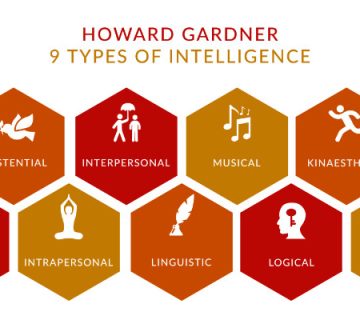
Talents are not only in certain areas such as painting or singing and music. Your child may have a high ability to communicate with other people and talk to them. If the child can manage the situation well in negotiating with people and in disputes, or has a good expression on various issues, he may be able to become a successful lawyer in the future
13. My Smart Gene’s genetic aptitude test
Since talent is the definition of the abilities of a person who is properly cultivated; Using genetic testing and reading more than 700,000 points, personality traits and individual abilities are read based on the individual’s genetic structure. Then, by expert psychologists, relevant clinical tests are performed for each person and according to the person’s age. Finally, with the help of genetic data and environmental data, a complete report is prepared, which is given to you in the coaching session. In this session, our consultants will show you the future paths for improvement based on your child’s personality and performance characteristics. It should be noted that other talent identification methods are for ages over 3 years old, while our talent identification method Smart gene can be done from the birth of the child
as a result:
?What to do after our child’s talent has blossomed
1. Do not judge
Never judge the abilities and talents of the child and do not give negative comments. This causes the child to lose motivation
2. Allow our child to experience new things
The more the child has different experiences and faces different challenges, the better the child’s performance in the future

3. Strengthen inner satisfaction in our child
Approving the child does not help him develop. Provide a calm and unknown environment to the child so that he can express his talents naturally. This method guarantees that the child pursues his talents without external approvals but with internal enthusiasm and satisfaction, and the child’s motivation increases
4. Effort is important along with ability
When he praises the child’s abilities and talents, the child’s effort to learn becomes less. But when you encourage the child to try, the child accepts more risks, makes mistakes and learns from his mistakes. Talent alone is not enough. Usually those who try and step in the right direction are successful. When talent stops trying, persistence overtakes talent

No comment